WHERE ARE THEY NOW?
Since CSAE was established as a Unit in 1986, hundreds of DPhil students have come through the Centre to study development economics in Africa. We spoke with David Fielding, Ritva Reinikka and Alemayehu Seyoum Taffesse, three of the earliest DPhil students at CSAE, about their time at the Centre and the lasting impact it had on their careers.
DAVID JAMES FIELDING
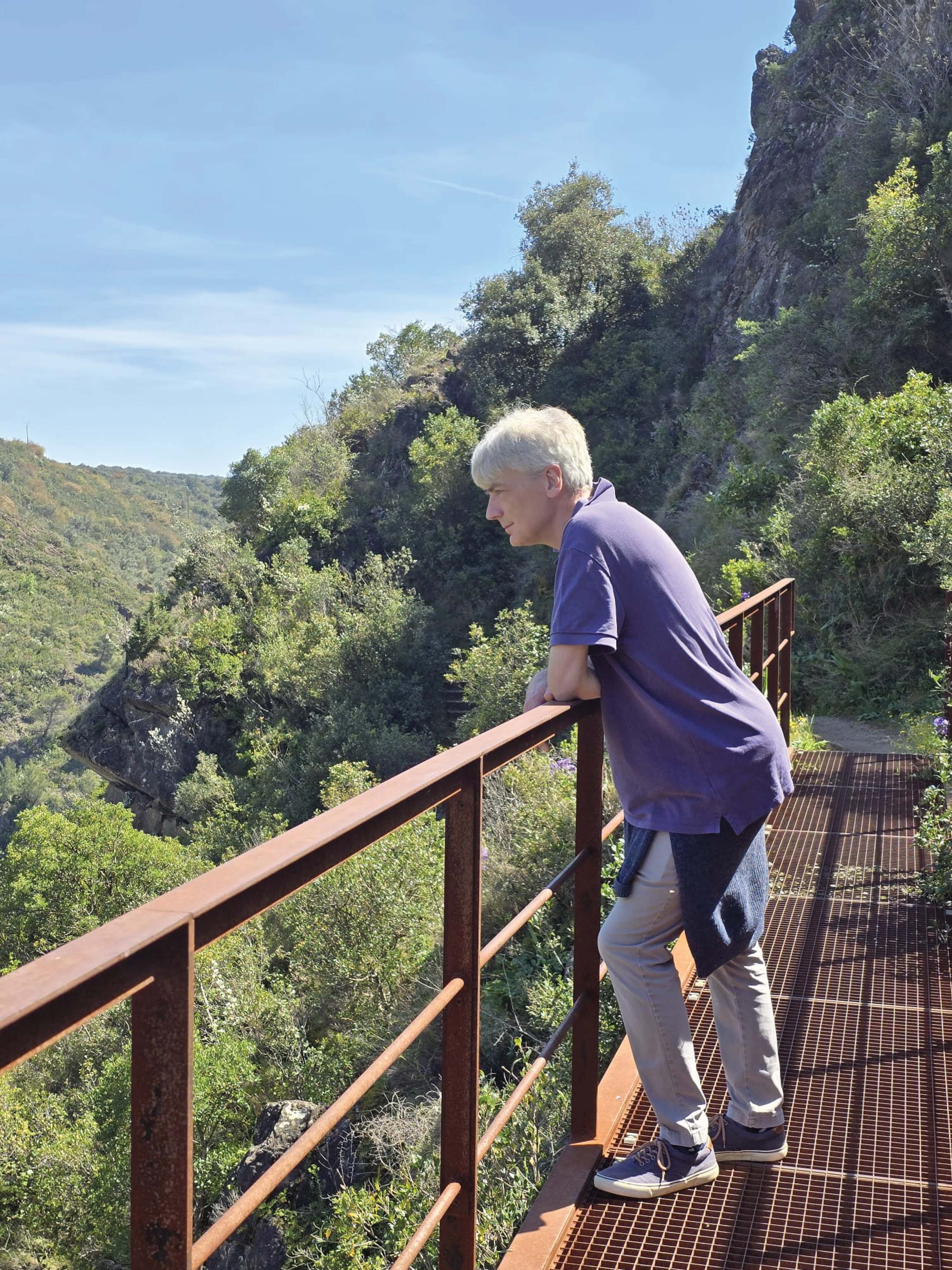
David James Fielding
Professor of Development Economics, Global Development Institute, University of Manchester
DPhil at the University of Oxford: 1989 - 1992
DPhil Research Area: Macroeconomic policy in the CFA Franc Zone
How did you get involved with the CSAE?
Paul Collier was my first-year undergraduate tutor at Keble in 1985, so I knew about his work while I was doing my M.Phil. over 1987-89. I think I had a conversation with him sometime in early 1989, and he encouraged me to come to the CSAE to my D.Phil. on the CFA Franc Zone. There were no francophone students back then, and I was the only one with A-Level French; it was Paul who first taught me trade theory, so he didn’t need to explain comparative advantage!
How did the research environment at Oxford shape or challenge your work?
I came to the CSAE with only a very rudimentary understanding of how one might apply economic theory in a sub-Saharan African context, and my grasp of applied econometrics was very patchy. I learnt these things “on the job”, not just from Paul and David but also from all those students around me (Chris, Debbie, Stefan, Simon, John,…).
Were there particular collaborations or conversations that had a lasting impact?
It’s difficult to pick just one or two conversations – I felt that I was learning something new pretty much every day.
Looking back, how did this time influence your career/research?
I doubt that I would have had an academic career if I hadn’t been at CSAE. Now there are lots of economics research groups in Oxford, but back then it was almost unique: when I first arrived in Oxford, there wasn’t even a Department of Economics.
Have you maintained any academic relationships that began during your time at CSAE?
I’ve stayed in touch with the CSAE since I left Oxford in 1993. I couldn’t visit so often during my 15 years in New Zealand, but I’m picking things up again now that I’m back in the UK.
Outside of academic work, what were your most memorable experiences during your time with the CSAE?
Our daughter Anna was born four months before I finally submitted my thesis. Several other D.Phil. students helped with baby-sitting – possibly their first experience of childcare? (Anna is now a research associate at Great Ormond Street Hospital, and possibly the first academic born into the CSAE.)
Are you still connected in any way to the CSAE?
I’ve just taken over as an editor at the Journal of African Economies, so I guess that’s a yes. Since moving house last year, I’m only 45 minutes from Oxford, and I’m hoping to be around a bit more often.
RITVA REINIKKA
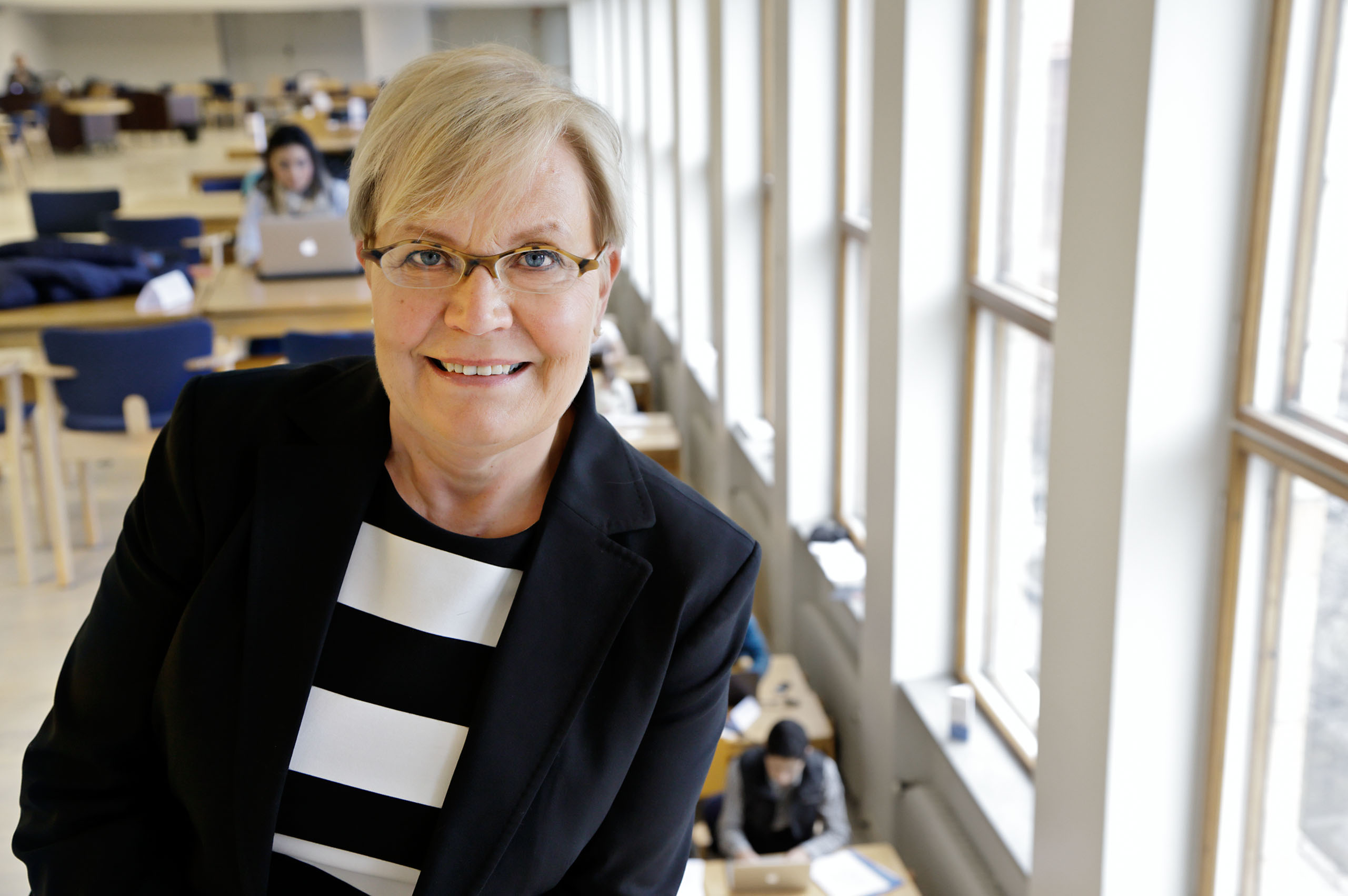
Ritva Reinikka
Professor of Practice/Senior Fellow in Aalto University School of Business, Finland
DPhil at the University of Oxford: 1990 - 1993
DPhil Research Area: Trade liberalisation, with a focus on Kenya. Trade liberalisation was an important topic for many developing countries at the time. My applied macroeconomic research looked at effects of time-inconsistency in trade policy overall, including empirical work in Kenya.
How did you get involved with the CSAE?
For a student of economic development, my home country, Finland, offered limited opportunities at the time. Therefore, I went to see Ravi Kanbur at the University of Warwick as my first stop. It was Ravi who suggested Oxford to me, with its many opportunities. My next stop was, therefore, to visit Paul Collier in Manor Road. I knew a bit of his Africa research. It was truly fortunate that Paul accepted me as his supervisee. Ever since, Paul has been one of the most influential people in my professional life—and a great friend, too.
How did the research environment at Oxford shape or challenge your work?
Oxford brought me much closer to empirical research in African economies that before. Weekly lunch-time seminars were a highlight and provided much inspiration for my own thesis research. Graduate courses, especially those offered in Nuffield College, were quite challenging but also gave many skills and offered a wide perspective to the discipline.
Were there particular collaborations or conversations that had a lasting impact?
Many collaborations continued when I joined the World Bank as country economist for Uganda shortly after finishing my DPhil. First and foremost, collaboration with Paul Collier has lasted ever since. Paul was a member of my first Country Economic Memorandum team at the Bank. This occurred at the time of a coffee boom in Uganda. Given Paul’s renowned research on such booms in Africa, this was fortuitous. Subsequently, for several years, Paul was my boss in the World Bank’s Research Department where I was a Research Manager of a new group focusing on service delivery.
Late Emmanuel Tumusiime-Mutebile—highly respected and a strong leader— was the Permanent Secretary in the Ugandan Finance Ministry at the time. In my first meeting with him, including a large team of 16 people, I explained that we were examining Uganda’s medium-term growth challenges. Living in the middle of a huge macroeconomic challenge created by the coffee boom, Emmanuel boomed: “What do mean by medium term? For me, medium-term is two weeks!” It was, for sure, helpful to have Paul as as part of the team.
Another important collaboration in Uganda was with Simon Appleton who had been a fellow DPhil student in the CSAE (then a small Unit). We worked together on poverty trends for Uganda in the mid- and late-1990s. Simon devoted a lot of time to making sense of the various household surveys, to clean and analyse the data, and to train our Ugandan counterparts. He was truly generous with his time and had a long-lasting impact. Also, once this analysis was completed, Ugandan policymakers did not give a single public policy speech without referring to the analysis.
Looking back, how did this time influence your career/research?
This time was truly transformational for my professional career! I was analytically ready for the job in the World Bank where I spent for two decades, including Country Director in Southern Africa and Human Development Director for sub-Saharan Africa. We brought quantitative firm surveys to the Africa Region in the Bank, for example. My own research went from applied macro to microeconomics, yet maintained the same policy-oriented approach
Have you maintained any academic relationships that began during your time at CSAE?
As mentioned earlier, especially with Paul C. Among other things, we edited a book together on Uganda’s post-conflict economic reconstruction. I already mentioned collaborating with Simon Appleton in Uganda. More recently on education with Mark Henstridge, CEO of Oxford Policy Management, and another fellow DPhil student in the early-1990s
Outside of academic work, what were your most memorable experiences during your time with the CSAE?
There were important personal milestones during these three years. I met my husband, Peter Dewees, at St John’s College where he was also a DPhil student. Peter studied in the Forestry Institute, Paul Collier being his second supervisor. We were married at Binsey and celebrated our wedding in the St Giles’ House. Our twin daughters were born in Oxford and baptized in the St John’s Chapel. A note: It impressed Paul C. a great deal that I finished my DPhil on time despite having twins!
Are you still connected in any way to the CSAE?
I am still keeping up with the CSAE and my fellow DPhil students. I used to attend the annual conference when working in the Bank.
ALEMAYEHU SEYOUM TAFFESSE
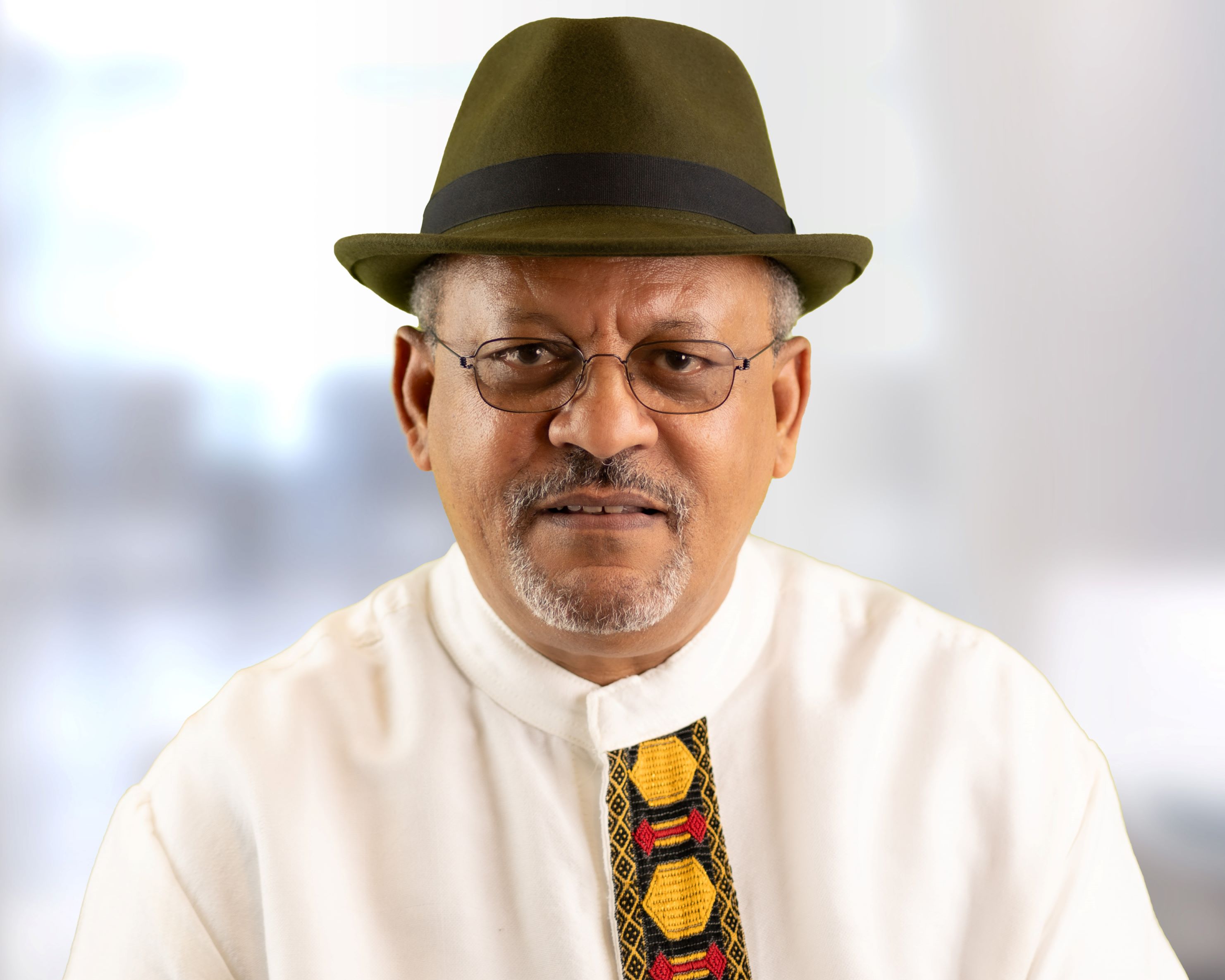
Alemayehu Seyoum Taffesse
Senior Research Fellow, International Food Policy Research Institute (IFPRI)
DPhil at the University of Oxford: 1992 - 1997
DPhil Research Area: Theoretical and empirical analysis of the behaviour and welfare of Ethiopian rural households under rationing during the Derg period (1980s)
How did you get involved with the CSAE?
As I was completing my MSc at Warwick, I applied for a place in the Economics DPhil programme at Oxford. This coincided with the selection of the CSAE by the Department of Economics at AAU as the partner to rejuvenate its post-graduate programme and strengthen research. At that time, I was on study leave from that Department, and the then head of the Department introduced me to Paul Collier. Paul kindly agreed to be my supervisor. The rest followed.
How did the research environment at Oxford shape or challenge your work?
Panel data techniques and household surveys played a considerable role in my research, starting with my thesis. I learned both during my stay in Oxford.
Were there particular collaborations or conversations that had a lasting impact?
During my years, the CSAE had a Winchester Road Wing, which housed DPhil Student offices and the Publication Unit (Sarah). Fellow students with desks there include (in alphabetical order) Abigail Barr, Nick Charlambidis, Alan Harding, Anke Hoeffler, John Matovu, Trudy Owens, David Ndii, the late John Randa, Simon Stone, Roberto Tibana, and Richard (my apologies to those I unwittingly left out). We formed a remarkable team. I found our regular conversations, academic or otherwise, informative and helpful.
Looking back, how did this time influence your career/research?
My stay in Oxford showed me that the excellent academic culture/environment in the University, in general, and the CSAE, in particular, resulted from a long and protracted process. This understanding strengthened my aspiration and commitment to contribute towards the emergence of a similar culture/environment in Ethiopia. My career choices, including the decision to work in the country despite difficulties, have been significantly influenced by that aspiration.
Have you maintained any academic relationships that began during your time at CSAE?
Yes, particularly with Stefan Dercon, who served as my co-supervisor. Stefan and I continued to collaborate in different forms, including research, over the years. In fact, we just published (with Tanguy Bernard, Kate Orkin, and Giulio Schinaia) an article in QJE
Outside of academic work, what were your most memorable experiences during your time with the CSAE?
The DPhil students sitting at CSAE’s Winchester Road Offices, which includes me, used to regularly visit the Gardners’ Arms on North Parade. The wide-ranging conversations are memorable. We were also treated very well by the landlady/ landlord (Jenny /David) and the patrons in line with the age-old English pub tradition
Are you still connected in any way to the CSAE?
Yes. I continued my collaboration with Stefan, come to the CSAE Conference as often as possible, and also started to serve as an associate editor of the Journal of African Economies in 2025.