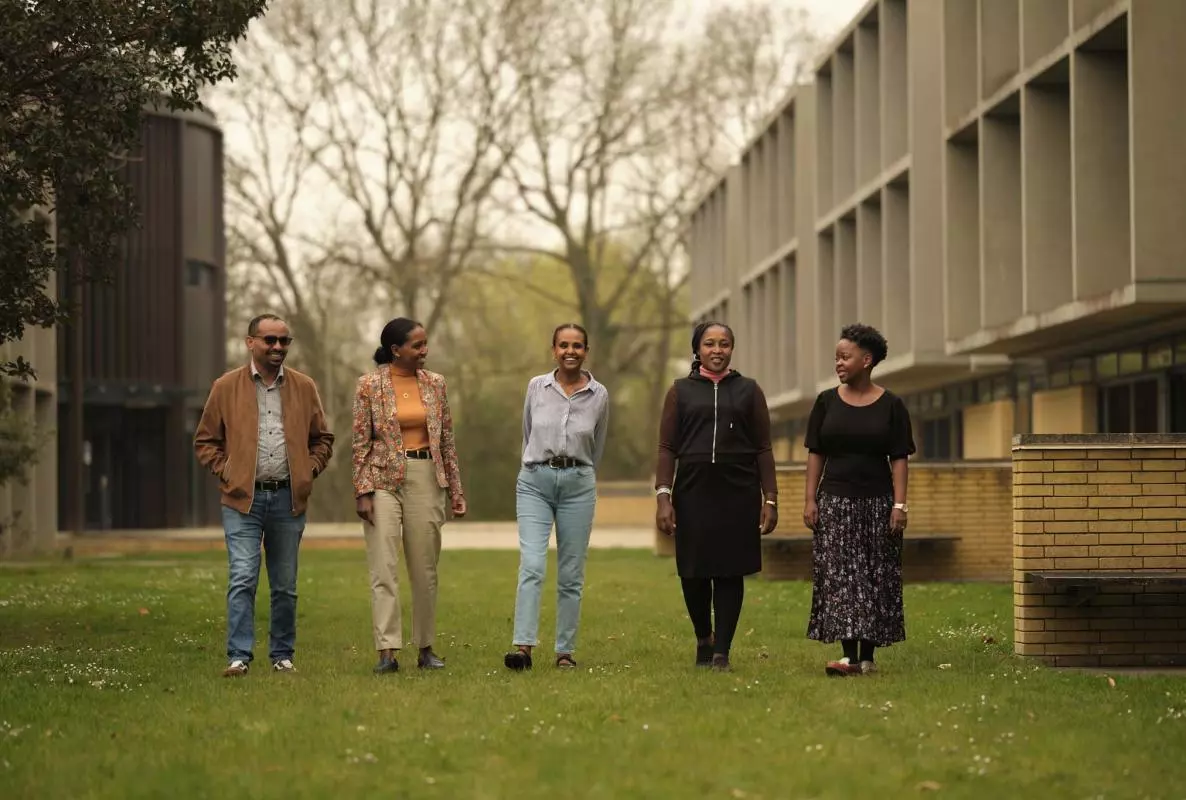
As CSAE marks four decades of research on African development, we are also reflecting on one of the Centre’s enduring commitments: supporting African scholars through collaboration, exchange, and research networks. The CSAE Visiting Fellowship Scheme, launched in 2005/06, was created to give researchers from across Africa the opportunity to spend time at Oxford, develop their work within the Centre’s research community, and build lasting academic connections. Since 2005, we’ve supported 57 fellows travelling from across 14 African countries.
In this feature, we look back at the experiences of the scheme’s very first visiting fellows, Rosemary Atieno and Afeikhena Theo Jerome, whose reflections capture both the intellectual atmosphere of CSAE in its early years and the long-term impact the fellowship had on their careers, research, and contributions to African policymaking and scholarship.
AFEIKHENA THEO JEROME
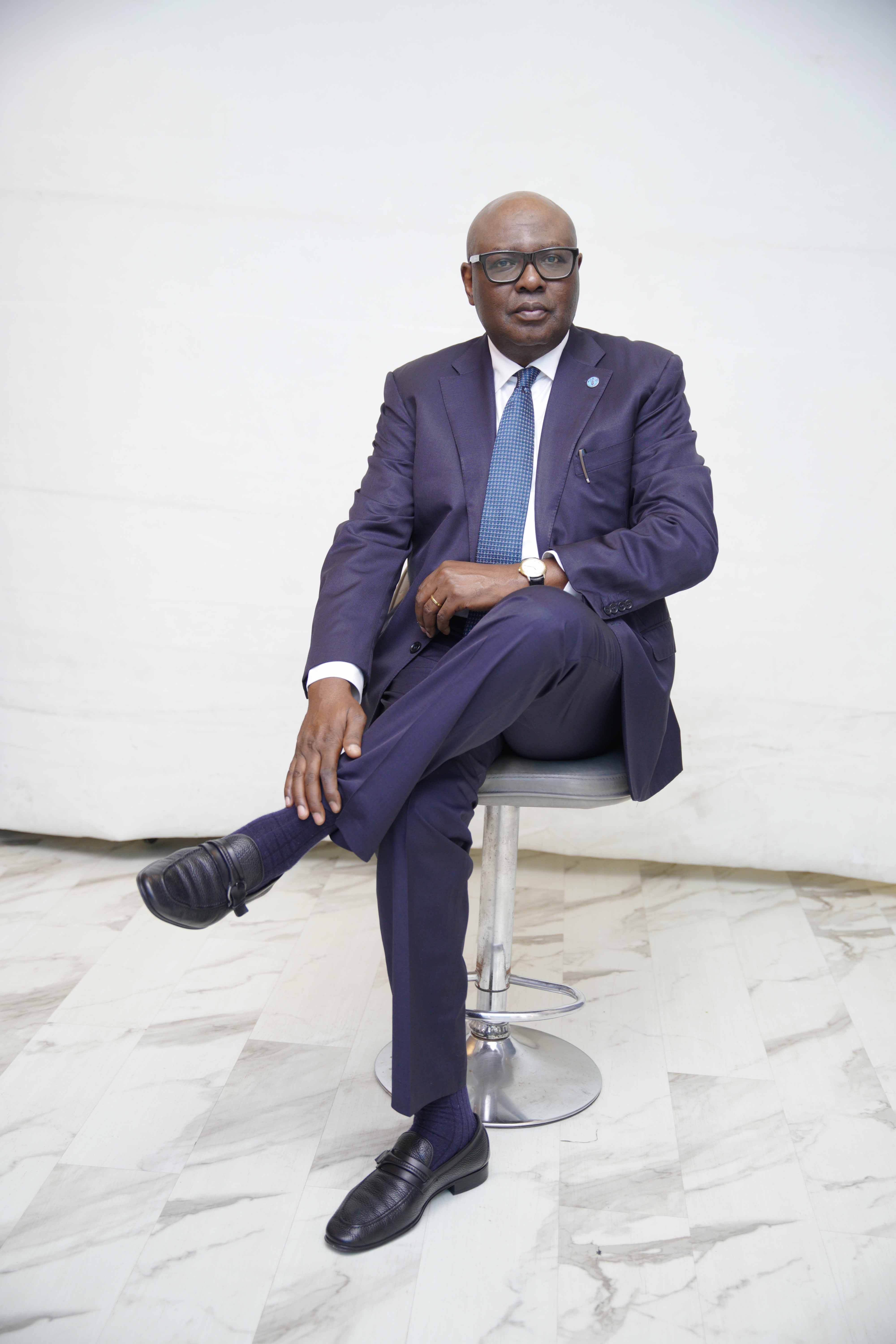
Afeikhena Theo Jerome
Policy Specialist, Food and Agriculture Organisation of the United Nations Subregional Office for Eastern Africa, Addis Ababa, Ethiopia and former Special Advisor to the Commissioner for Agriculture, Rural Development, Blue Economy, and Sustainable Environment (ARBE), African Union Commission
What was your role when you attended as a Fellow in 2006?
I was working for the United Nations Development Program (UNDP) then as Coordinator for Economic Governance and Management at the African Peer Review Mechanism, a voluntary, self-monitoring instrument established in 2003 by the African Union (AU), and based in Midrand, South Africa, to promote good governance, political stability, and sustainable development in Africa.
What motivated you to apply for the CSAE Visiting Fellowship when it was first announced?
Founded in 1986, CSAE has consistently been at the forefront of microeconomic and macroeconomic research across Africa. The Centre oversees the Journal of African Economies, a publication known for its detailed analysis and regarded as one of the most authoritative sources on African development. Having participated in the CSAE annual conference and being a development economist with a focus on Africa, I naturally wanted to foster my research by participating in the visiting fellowship of the Centre. The African Economic Research Consortium facilitated my participation
What you were working on during your visit to the CSAE?
I focused on enhancing the aspect of economic governance within the African Peer Review Mechanism. Together with Karl Warlmuth, I was also editing the 2007 Edition (Volume 12) of the African Development Perspectives Yearbook of the Institute for World Economics and International Management at the University of Bremen, Germany, on the theme: Africa - Commodity Dependence, Resource Curse and Export Diversification. The Yearbook is the first English periodical published in Germany relating to development problems and perspectives in Africa. My time with the revered Sir Paul Collier at the Centre deepened my knowledge of conflict economics and the resource curse affecting many African countries.
Looking back, how did the fellowship influence your career/ research?
The fellowship has influenced my career in a remarkable way. It allowed me to build on the research experience that I garnered from earlier fellowships such as Visiting Scholar, International Monetary Fund, Washington, D.C. (18 September - October 27, 2000); and the Development Economics Research Group (DECRG), the World Bank, Washington D.C. (October 29 - December 10, 2000). They contributed to my ability to publish in reputable journals such as World Development, Journal of Banking and Finance, and Journal of Infrastructure, among others.
Have you maintained any academic relationships that began during your time at the CSAE?
Yes, indeed. Apart from closely following developments at CSAE, Paul Coulier and Marcel Fafchamps contributed chapters to my book African Economic Development, Volume 2: 2019; Edited by Emmanuel Nnadozie and Afeikhena Jerome, London: Emerald Insight.
What does the CSAE fellowship mean to you now, nearly two decades later?
The fellowship was very inspiring. Albeit short, it certainly facilitated an inspiring career in several top African institutions and enabled the publishing of over one hundred literature including books and accredited journal articles, while consulting extensively for several international organizations including the World Bank, African Development Bank, Department for International Development, Deutsche Gesellschaft fur Internationale Zusammenarbeit GmbH (GIZ), United Nations Economic Commission for Africa, International Monetary Fund, United Nations HABITAT, the United Nations Development Programme, United Nations Industrial Development organization, Brookings Institute and the African Capacity Building Foundation. I take this opportunity to congratulate CSAE on its remarkable journey and insight on African development as it celebrates its 40th anniversary this year.
ROSEMARY ATIENO
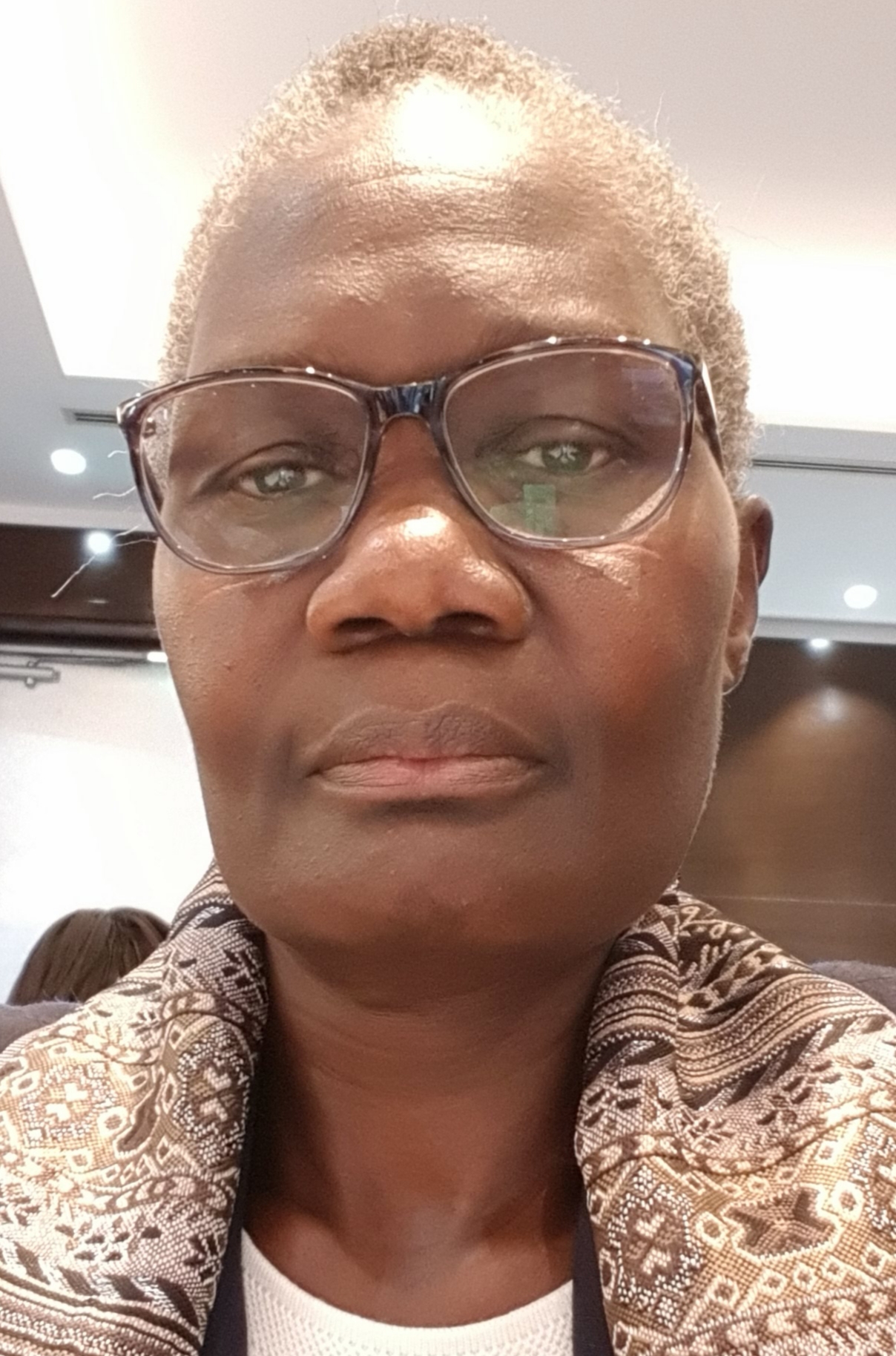
Rosemary Atieno
Associate Professor, Department of Economics and Development Studies, University of Nairobi
What was your role when you attended as a Fellow in 2006?
I was a Senior Research Fellow at the Institute for Development Studies at the University of Nairobi.
What motivated you to apply for the CSAE Visiting Fellowship when it was first announced?
It presented an opportunity to do further work on my research project which I was working on under the the African Economic Research Consortium (AERC) thematic research. Through the fellowship, I saw an opportunity to come up with a publication
What you were working on during your visit to the CSAE?
I worked on a paper on Gender and Education and Occupational Outcomes in Kenya’s Informal Sector in the 1990s.
Outside of academic work, what were your most memorable experiences during your stay?
Sunday Solemn Mass at the Catholic Church I used to attend in Oxford (unfortunately I have forgotten the name). It was really solemn. Another memorable experience was the interaction with other colleagues at St. Anthony’s College.
How did the research environment at Oxford shape or challenge your work during the residency?
The working environment was very conducive and facilitative to my work during this period. There was sufficient support services, an office, library services and the departmental seminars.
Were there particular collaborations, seminars, or conversations that had a lasting impact?
The weekly departmental seminars were very useful. There were useful collaborations. We co-authored a paper with Prof. Francis Teal which went on to be published as a GPRG working paper.